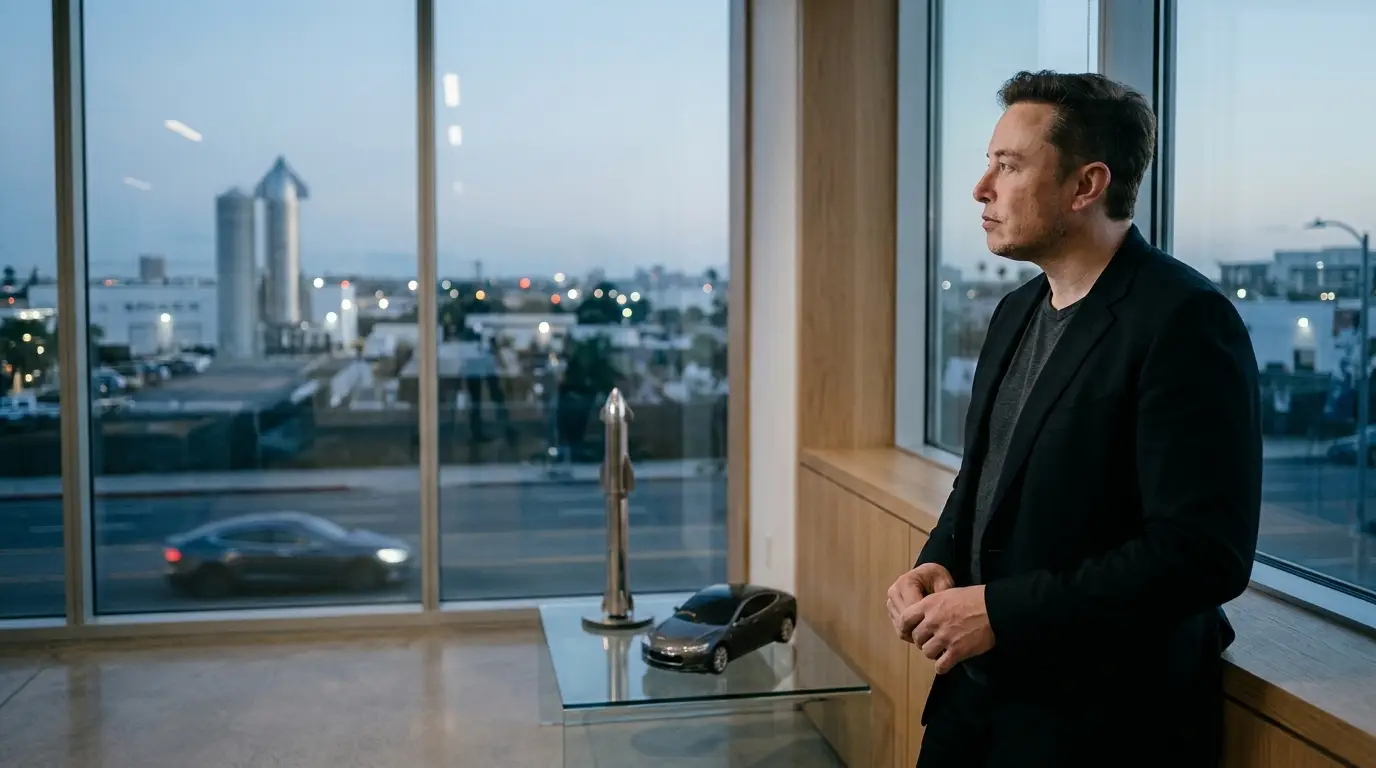
Two of the most valuable companies globally are exploring a potential combination. Tesla and SpaceX have formed special committees to discuss a merger between the two entities. Elon Musk confirmed this development while clarifying his own absence from the negotiations.
Governance and Recusal
Musk holds significant stakes in both organizations. He owns approximately 20 percent of Tesla and 45 percent of SpaceX. This dual ownership creates a clear conflict of interest. According to Tesla corporate governance standards, independent directors must handle transactions where the chief executive has conflicting interests.
Musk stated he cannot participate in the discussions because he is a conflicted party. The special committees consist entirely of independent directors. This structure aligns with Securities and Exchange Commission guidelines regarding fiduciary duties during mergers involving conflicted shareholders. The committees will evaluate the proposal thoroughly and present their findings to shareholders for final approval. This process protects minority investors and ensures fair valuation. Securing shareholder approval will require clear communication and a strong financial rationale. The independent directors must negotiate terms that reflect true market value.
Strategic Rationale
The potential merger presents unique technological synergies. Musk highlighted several areas where collaboration would yield substantial benefits. These include superintelligence software development and advanced chip design. Robotics and mass to orbit capabilities through the Starlink constellation also represent major points of alignment.
SpaceX continues to expand its integrated hardware and software infrastructure for the future of space exploration. You can review their latest operational milestones on the official SpaceX website. Combining these resources with Tesla manufacturing prowess could accelerate innovation in both sectors. Shared research and development budgets might also reduce costs for ambitious projects like autonomous driving and interplanetary travel. Integrating these systems could change industry standards for the foreseeable future. Combining artificial intelligence research with aerospace engineering provides a clear market advantage.
Market Valuation Overview
The financial scale of such a transaction would be unprecedented. Current estimates place the combined entity value at over 3.5 trillion dollars. SpaceX currently ranks as the seventh most valuable company worldwide. Tesla holds the eleventh position. Both companies have operated with separate corporate structures until now. This proposed merger would change that dynamic entirely.
| Metric | Tesla | SpaceX | Combined Projection |
| Estimated Valuation | 1.5 trillion dollars | 2.0 trillion dollars | 3.5 trillion dollars |
| Global Market Rank | 11th | 7th | Top 5 |
| Musk Ownership Stake | 20 percent | 45 percent | Approximately 33 percent |
| Primary Business Focus | Electric Vehicles | Aerospace and Satellite Internet | Integrated Tech and Space |
| Founding Year | 2003 | 2002 | N/A |
Future Outlook
Musk cautioned observers against assuming the merger is inevitable. The special committees have not agreed on any transaction terms. They may ultimately decide against pursuing the deal entirely. Shareholders will have the final say if an agreement is reached. This measured approach ensures that any potential combination serves the best interests of both companies and their investors. Regulatory scrutiny will also play a major role in shaping the outcome. Antitrust authorities will carefully examine the market power of a combined entity. The committees must navigate these complexities while maintaining operational focus on their core missions.

byDavid Porter
Popular news

Anthropic’s $80.7 Billion Loss Explained in Today’s AI News Podcast
AI breathes new life into an old game: ask for your own Fallout 2 mods

Microsoft wants to keep AI agents in the workplace on a tighter leash

AI Cleans Up Your TV with CleanYourTV
Goldman Sachs Predicts AI IPOs Could Add 100 Billion Dollars to Indian Market Capitalization

Global Memory Shortage Threatens Corporate AI Adoption
Latest comments
Loading