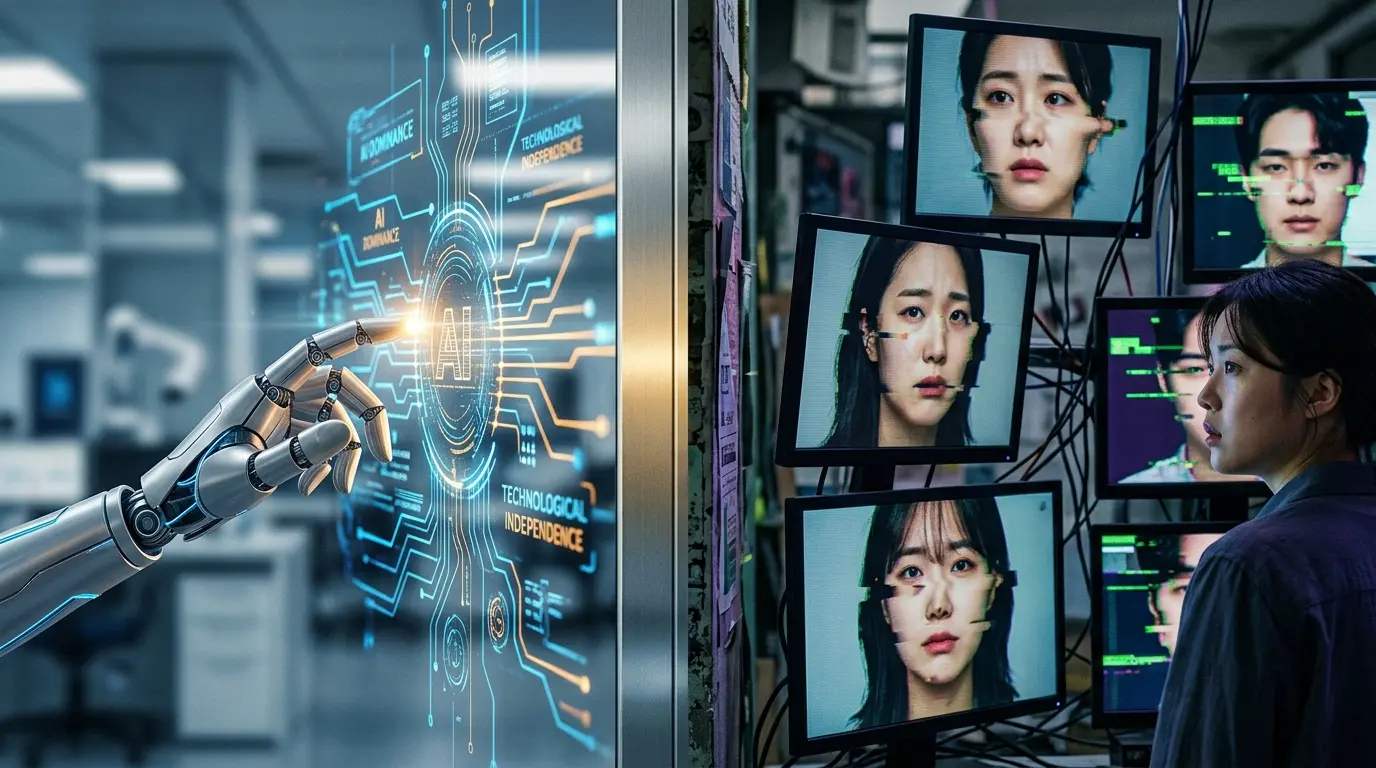
China declares a firm stance against single-nation control over artificial intelligence. Meanwhile, South Korea faces a devastating surge in deepfake crimes targeting students and teachers. These developments signal a massive shift in how global powers and local communities handle emerging tech risks.
Beijing aims to prevent a monopoly over intelligence tools to ensure global fairness. Officials emphasize the need for shared governance rather than concentrated power. This move challenges current tech leaders and pushes for a multilateral approach to development.
South Korean authorities are struggling to contain a flood of AI-generated explicit content. Schools across the country report high numbers of victims whose photos were stolen for malicious use. Police investigations are surging as public anger grows over the lack of protection.
- Beijing demands shared control of AI to avoid global monopolies.
- South Korean police launch massive probes into deepfake distribution networks.
- Educational institutions report widespread victimization among teenage students.
- Authorities seek new laws to prosecute digital sex crimes more effectively.
- International discussions focus on the ethical boundaries of generative media.
Beijing Rejects Artificial Intelligence Monopoly
Chinese leaders refuse to allow any one country to dictate the future of digital intelligence. The nation advocates for a system where all countries participate in setting rules and standards. This policy aims to protect developing nations from falling behind in the global race.
Power concentration in the hands of a few corporations creates risks for everyone. Beijing suggests an open framework to prevent digital colonialism. Such a strategy would theoretically level the playing field for smaller economies.
Global observers note the timing of these statements aligns with rising competition between major superpowers. Reports from the South China Morning Post highlight how these tensions shape international policy. Ensuring diverse voices in tech development remains a top priority for Beijing.
China views the current trajectory of artificial intelligence as a potential tool for hegemony. By vocalizing opposition to dominance, Beijing positions itself as a champion for the Global South. This rhetorical shift suggests future attempts to form a coalition of nations with independent AI infrastructures.
South Korean Communities Battle Digital Abuse
A digital emergency gripped South Korea as deepfake technology became a tool for harassment. Criminals use social media photos to generate non-consensual images of peers and colleagues. The scale of these crimes forced the government to increase legal penalties.
Teachers and students form the primary group of victims in this escalating crisis. Telegram groups allegedly hosted thousands of participants sharing illegal content. Public safety experts demand swifter action to delete these images and punish creators.
Victims describe a sense of total violation when their likeness appears in malicious videos. Schools now provide counseling for those affected by the viral spread of fake media. Parents call for stricter age verification on platforms which host AI generation bots.
The government plans to implement more aggressive tracking of digital footprints to catch offenders. Legal experts believe existing laws require updates to handle high-speed AI generation. Protecting privacy in the digital age requires both technical and legislative solutions.
Weekend News Summary Data
| Category | Key Detail |
| China AI Policy | Opposing single-country dominance |
| South Korea Crisis | Widespread school-based deepfake crimes |
| Main Platforms | Social media and Telegram bot networks |
| Primary Goal | Multilateral tech governance and safety |

byDavid Porter
Popular news





Latest comments
Loading