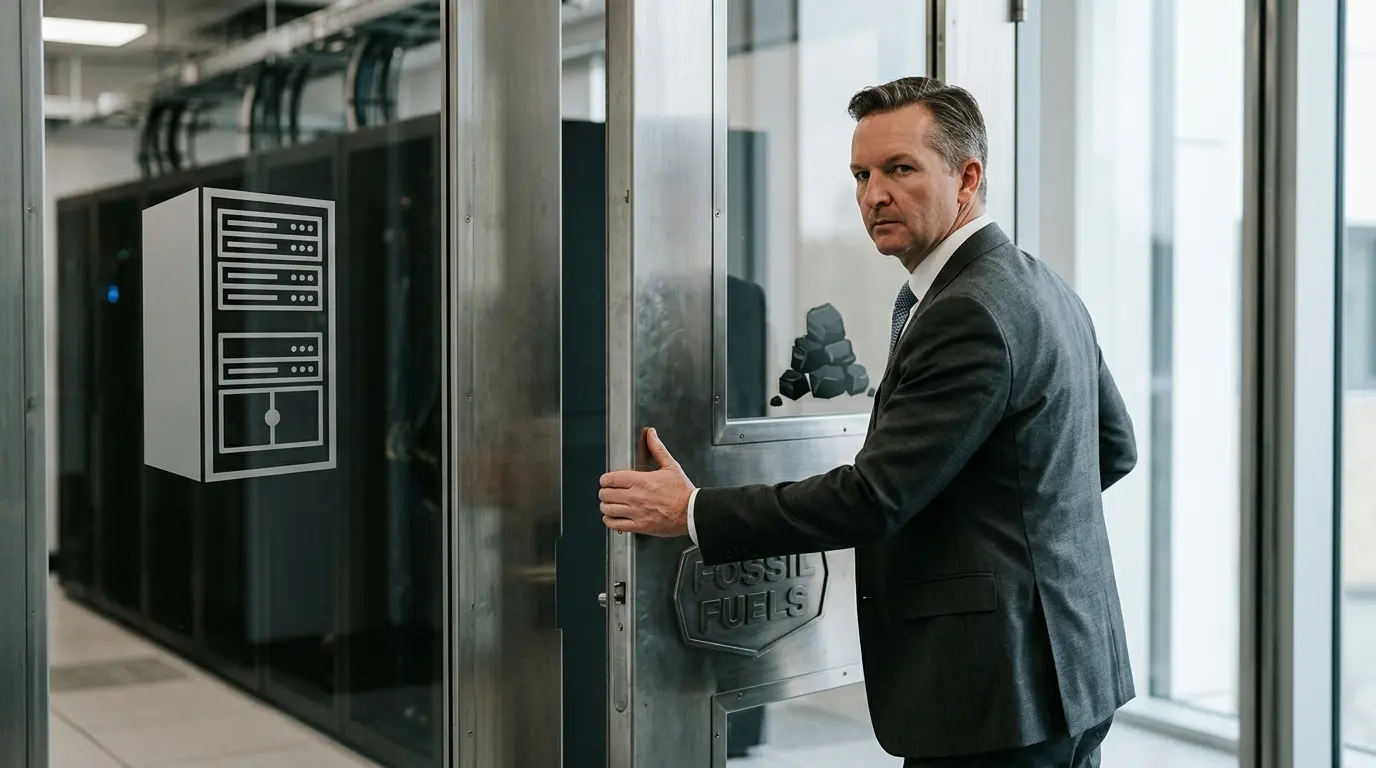
Australia’s Energy Minister Chris Bowen issued a firm warning to states and tech giants looking for energy loopholes. Massive power needs of new AI data centers will not change federal emissions standards. The government refuses to relax rules for facilities relying on coal or gas.
This decision forces data centers to align with national net-zero goals without exception. Federal officials confirm no special carve-outs will exist for regions struggling to power digital expansion with green energy. Compliance with climate targets remains mandatory for every jurisdiction.
Tightening the Grip on Carbon Emissions
The rapid expansion of artificial intelligence creates a massive appetite for electricity. This demand puts strain on aging grids transitioning away from coal. Bowen maintains the position the environment will not suffer to accommodate technology firms.
States must find ways to integrate high-demand facilities into the existing renewable transition framework. Recent policy shifts confirm the federal government prioritizes green energy over quick digital growth. States hoping for special treatment will find no comfort in recent ministerial statements.
Data center operators face pressure to secure reliable renewable energy contracts. According to official reports, Chris Bowen insists on maintaining environmental standards despite these new conditions. Every facility must demonstrate a clear path to carbon neutrality to gain approval.
Strict Standards for Future Tech Hubs
Regional leaders expressed concerns regarding the speed of the transition. Some argue the power grid needs more time to adapt to AI workloads. Bowen rejects the notion of using fossil fuels as a temporary bridge for digital growth.
New regulations will demand transparent energy reporting from every data hub. Tech giants often claim carbon neutrality through offsets. The Australian government now favors direct renewable energy usage over financial accounting tricks.
- Proof of renewable energy sourcing for all new data halls.
- State-level accountability for meeting national emission benchmarks.
- Zero tolerance for additional coal or gas capacity in tech zones.
Investment in grid stability will become the primary focus for developers. New projects must fund their own clean energy solutions if the local grid lacks capacity. Failure to meet these guidelines will result in project delays or rejection.
Electricity prices stay high when fossil fuels dominate the mix. Shifting to wind and solar offers long-term stability for energy-intensive sectors. Bowen believes the tech industry should lead this transition rather than hinder progress.
Infrastructure planning requires long-term vision rather than short-term convenience. Bowen points out the transition to green power happens faster when rules remain firm. Tech companies must adapt to the grid rather than demanding the grid adapt to them.
| Policy Focus | Official Stance |
| Energy Source | Strict Renewable Requirement |
| Fossil Fuel Use | No Special Exemptions |
| Climate Goal | Net Zero 2050 Alignment |
Local communities expect protection from rising emissions. Allowing data centers to bypass rules would set a dangerous precedent. Every sector must contribute to the 2030 and 2050 climate objectives to ensure national success.

byDavid Porter


Loading