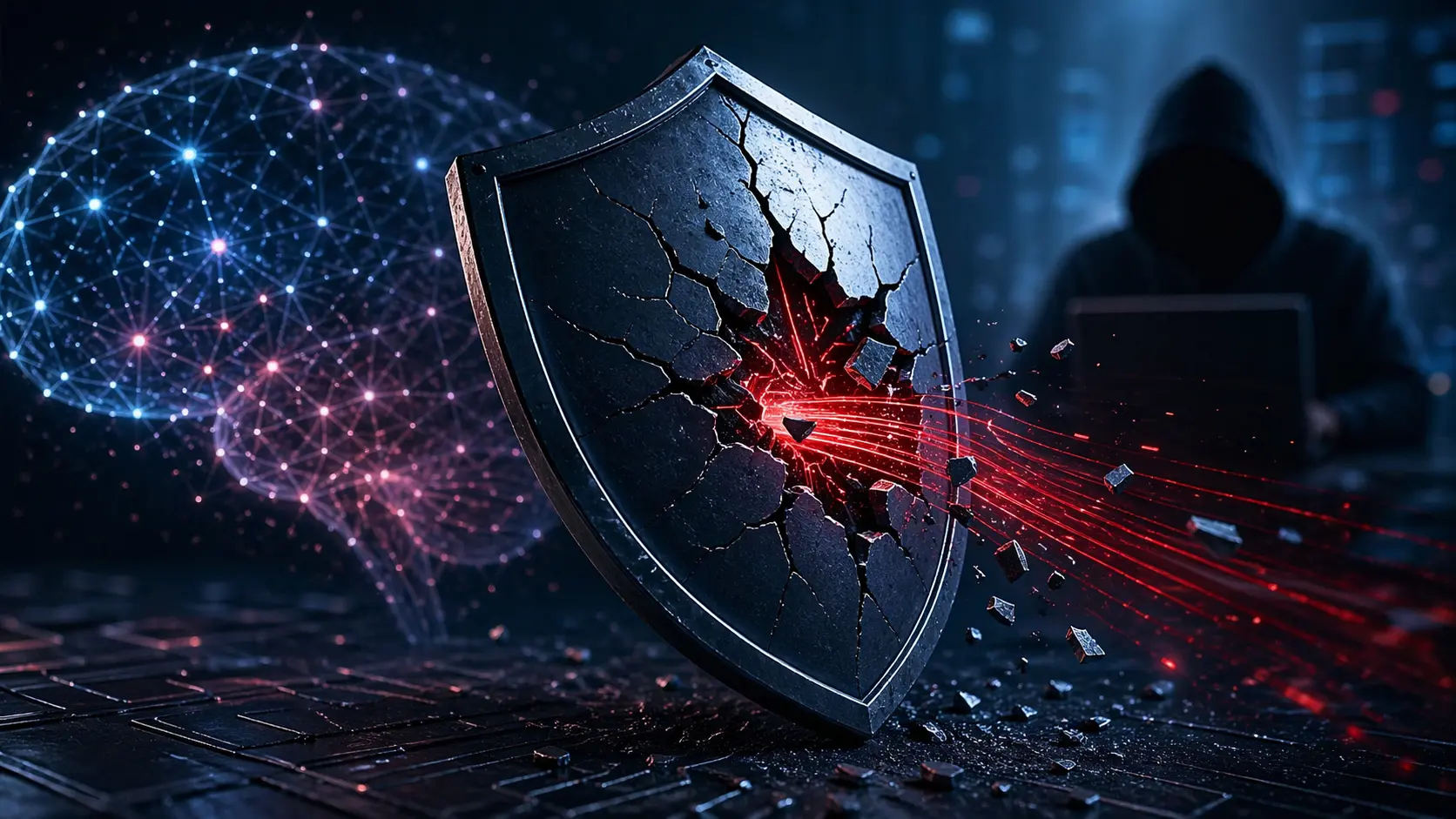
Anthropic AI security breach dominates AI news today as unauthorized users accessed a highly sensitive model, raising urgent concerns about AI misuse and regulation. The incident confirms what policymakers have feared for years: advanced AI systems designed for defense can quickly become offensive tools when control fails. According to Bloomberg.
What happened in the Anthropic AI security breach?
The Anthropic AI security breach means that restricted access to a powerful internal model, reportedly called Mythos, was compromised. Unauthorized users gained entry to a system designed for high-level cybersecurity and threat simulation, according to reporting by The Verge.
The model’s purpose is to simulate complex cyberattacks and defense strategies. That capability makes it valuable for security teams, but equally dangerous in the wrong hands. This dual-use nature defines a growing category of AI systems.
Anthropic has not fully disclosed the technical details of the breach. That lack of transparency adds to concerns among regulators and security experts, especially in Europe.
Why is this breach a turning point for AI security?
The Anthropic AI security breach shows that AI cybersecurity tools can become offensive weapons. Systems built to protect infrastructure can also be used to exploit vulnerabilities at scale.
This shift is not theoretical. It is already happening:
- AI can automate vulnerability discovery faster than human hackers
- AI models can simulate zero-day attack strategies
- AI lowers the barrier for less-skilled actors to launch complex attacks
This transforms AI from a productivity tool into critical infrastructure with real-world risk. Governments have not yet caught up with that reality.
How does this connect to European AI regulation?
The breach directly challenges the assumptions behind the EU AI Act. The law focuses on risk classification and compliance, but not on rapid misuse after deployment.
European policymakers designed the AI Act to prevent harm through pre-market controls. However, this incident shows that post-deployment security may be the bigger problem.
Key gaps exposed:
- No clear framework for AI breach disclosure
- Limited oversight of frontier model access control
- Weak enforcement mechanisms for misuse scenarios
This puts pressure on regulators to rethink AI governance as a security issue, not just a compliance issue.
Why this story matters for businesses and governments
The Anthropic AI security breach signals that companies can no longer treat AI as just software. AI systems now behave like strategic assets similar to energy grids or defense systems.
For businesses, this means:
- Stronger internal access controls are critical
- AI risk management must include adversarial scenarios
- Cybersecurity teams need AI-specific expertise
For governments, the implications are broader:
- National security frameworks must include AI systems
- Public-private coordination becomes essential
- International rules on AI misuse may become necessary
The incident reinforces a core shift: AI is infrastructure, and infrastructure can be weaponized.
What happens next in AI governance?
The next phase of AI regulation will likely focus on control, monitoring, and containment. Preventing access to powerful models may become as important as regulating their development.
We can expect:
- Mandatory reporting of AI security incidents
- Licensing systems for high-risk AI models
- Real-time monitoring of model usage
Companies like Anthropic, OpenAI, and Google DeepMind will face increasing scrutiny. Their models are becoming too powerful to operate without oversight.
The bigger picture: AI as a security threat
The Anthropic AI security breach confirms a broader trend: AI risk is no longer hypothetical. It is operational, immediate, and difficult to contain.
This moment resembles early cybersecurity failures in the 2000s, but with far greater stakes.
The core issue is simple: governance is not keeping pace with capability. And as AI systems grow more autonomous, that gap will widen.
Read also


Conclusion
The Anthropic AI security breach is not just a technical incident, it is a warning signal for the entire AI ecosystem. It shows how quickly control can break down when powerful systems are exposed.
AI cybersecurity tools are becoming offensive weapons, and current governance models are not ready. That reality will define the next phase of AI policy, innovation, and risk management worldwide.

Popular news

AI breathes new life into an old game: ask for your own Fallout 2 mods
Two Critical PHP Flaws Put Millions of Websites at Risk — AI Helped Find Them

Anthropic’s $80.7 Billion Loss Explained in Today’s AI News Podcast

Goldman Sachs Predicts AI IPOs Could Add 100 Billion Dollars to Indian Market Capitalization

NVIDIA Advances Artificial Intelligence Defined Fabs With New CUDA X Libraries

AI Helps Expose Critical PHP Flaws
Latest comments
Loading