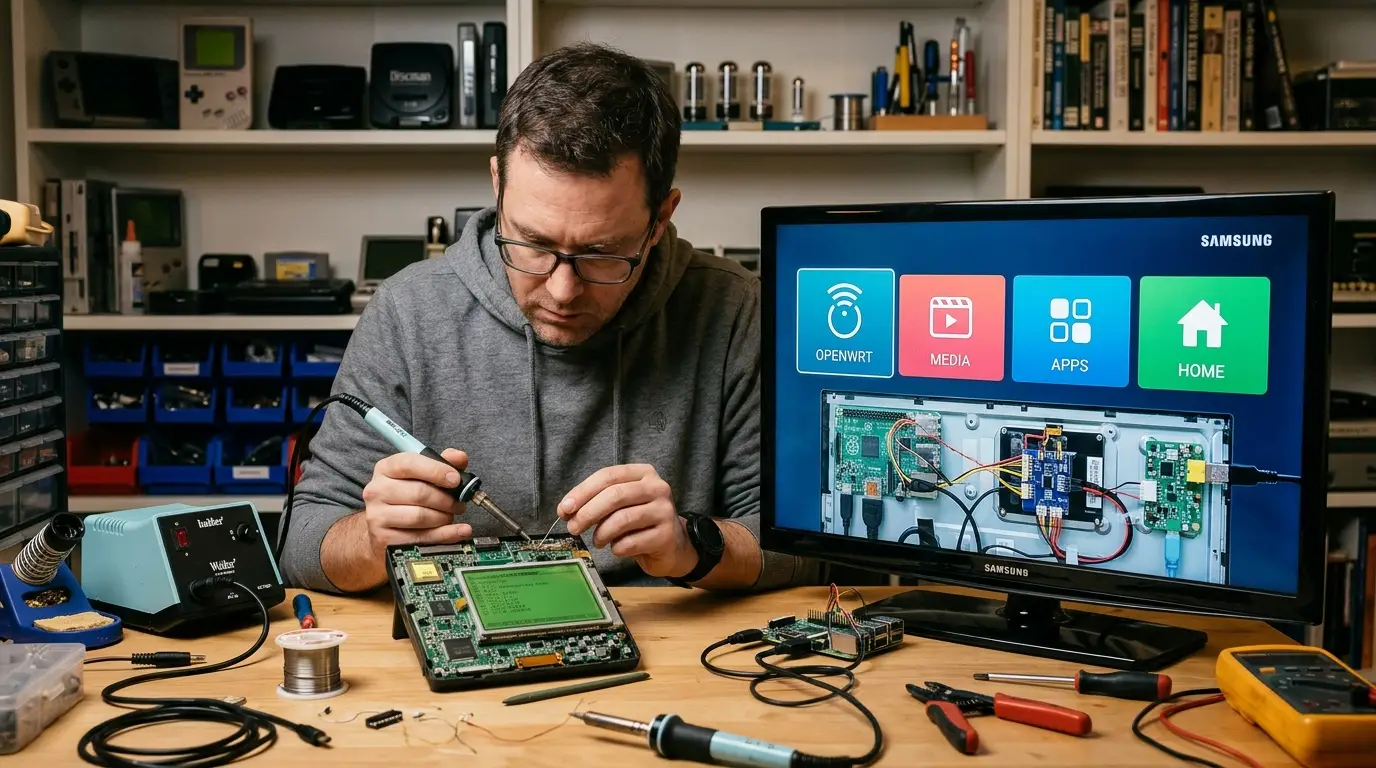
A growing movement known as Reverse Engineer Anything is changing how consumers interact with their electronics. This open-source initiative allows users to strip advertisements from smart televisions and breathe new life into outdated gadgets.
The trend relies on advanced artificial intelligence coding agents that can analyze application behavior without needing the original source code. According to a recent ZDNet report, this shift empowers everyday users to take back control of their hardware. Instead of accepting preinstalled bloatware, individuals are actively modifying their devices to run faster and cleaner.
How the Technology Works
The core of this movement is a popular GitHub repository that has rapidly accumulated hundreds of thousands of stars. The tool integrates AI assistants directly with established reverse engineering frameworks. Users can prompt the AI to investigate specific software features, explain their mechanics, and generate modified code to bypass unwanted functions.
For example, a user can deploy an AI agent to identify the exact processes responsible for displaying ads on a smart TV interface. The system then provides the necessary scripts to disable those processes permanently. This democratizes software modification, making tasks that previously required deep programming knowledge accessible to a broader audience.
| Modification Target | AI Tool Capability | Potential Risk Factor |
| Smart TV Interfaces | Ad and bloatware removal scripts | Voided manufacturer warranties |
| Legacy Mobile Devices | Operating system optimization | Permanent hardware bricking |
| IoT Home Sensors | Custom automation routing | Unpatched security vulnerabilities |
| Proprietary Applications | Feature unlocking and cloning | Terms of service violations |
Security and Legal Implications
While the benefits of a cleaner digital experience are clear, the practice introduces significant risks. Modifying firmware or software environments often voids manufacturer warranties immediately. More importantly, bypassing built-in security protocols can expose home networks to unpatched vulnerabilities.
When users replace official software with community-generated scripts, they lose the protection of regular security updates. Cybersecurity experts warn that this unregulated approach to device management could lead to widespread exploitation if malicious actors inject harmful code into popular modification repositories.
The Future of Device Ownership
This trend highlights a fundamental tension between consumer ownership rights and corporate software control. Buyers increasingly expect full authority over the hardware they purchase. The success of these AI-driven modification tools proves that demand for customizable, ad-free experiences is massive.
Manufacturers may need to reconsider their software strategies to retain user trust. Offering official ad-free tiers or more transparent customization options could prevent consumers from turning to unofficial and potentially risky modification methods. The technology is here to stay, forcing the industry to adapt to a more empowered user base.

Popular news

Grand Theft GPU - How Thieves Steal Data Center Hardware in Transit

Akamai launches Agent Sandbox to limit what AI code can do

More FPS with AI and DLSS Doesn’t Automatically Mean a More Responsive Game

Anthropic Is Going Public: What Claude’s Numbers Reveal

OpenAI Launches GPT 6.1 Terra for Faster AI Agents at Half the Price

Epic CEO Criticizes Steam AI Disclosure Rules as Partisan Overreach
Latest comments
Loading