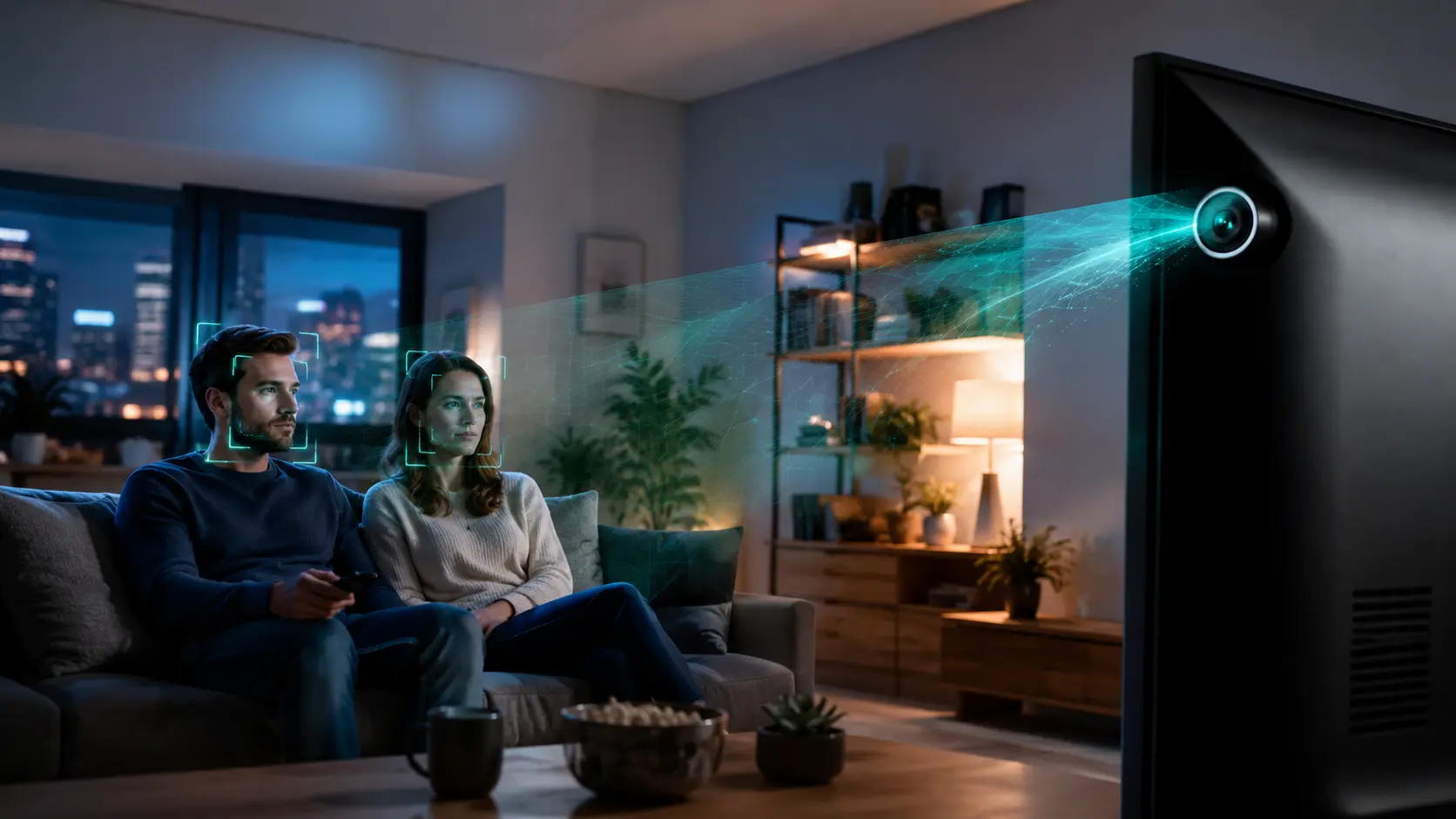
LG is facing sharp criticism after users discovered that new terms for its smart TVs and gaming monitors include far-reaching AI and privacy clauses. The mix of AI voice features, processing of conversations, and notifications about potentially unwanted software on PCs is fueling concern. According to TechRadar and Gamers Nexus, user distrust is growing.
Note: This isn’t just about LG. They’re in the spotlight now, but other brands are doing the same.
AI takes center stage in the backlash
The controversy isn’t only about privacy—it’s about how AI features are baked into the latest version of LG’s webOS.
The updated terms say users are responsible for informing household members and guests that their voices may be recorded and processed when AI voice features are enabled. LG points to wiretapping and privacy laws.
That doesn’t automatically mean LG stores conversations for AI training, but the wording raises questions: which voice data is collected, how long it’s kept, and what it’s ultimately used for.
Smart TVs increasingly run on data
More smart TVs now use AI for:
- voice control;
- personalized recommendations;
- automatic picture and sound tuning;
- recognizing user preferences.
All of this requires data processing—partly on-device, but also in the cloud—expanding the personal information manufacturers can collect.
That shift is making consumers more critical. AI adds convenience, but users increasingly want to know what data powers it—and how much control they have.
Gaming monitors also draw fire
Beyond the TV terms, LG gaming monitors sparked their own backlash. Gamers Nexus reports users found that certain monitor software automatically installs the LG Monitor App Installer and McAfee Scam Detector on Windows PCs without explicit consent.
While this software is separate from TV voice features, many users say it reinforces the sense that LG is adding software and data collection users didn’t knowingly opt into.
Context: Different privacy rules in Europe and the U.S.
The terms causing an uproar appear to target the North American market first. They require users to inform others when AI voice features are enabled and voices may be recorded. In Europe, stricter GDPR rules apply, requiring explicit consent for processing personal data and greater transparency.
That doesn’t mean European LG TVs don’t collect data. Like other smart TV makers, LG uses Automatic Content Recognition (ACR). This tech periodically takes a digital “fingerprint” or snapshot of what’s on screen to identify content, personalize recommendations, and tailor ads. Academic research into Samsung and LG TVs previously showed ACR can be active even when a TV is used as an external display via HDMI. Researchers also found differences in how ACR operates between the U.S. and Europe.
The U.S. also has less uniform privacy laws than Europe, leading to state-by-state differences. For instance, the Texas attorney general forced LG this year, via a settlement, to secure clearer consent for collecting viewing data via ACR and to offer a simpler opt-out.
The debate points to a broader trend. AI features like voice control and personalized picks depend on data. Manufacturers must strike a balance between smart capabilities and consumer privacy expectations. That tension is putting new AI features under increasing scrutiny.
Trust now matters more than shiny AI features
The message is clear: AI adoption hinges less on features and more on transparency. As AI rapidly spreads through home devices, users expect plain-language answers about what’s collected, why, and how to turn it off.
For AI companies, that’s the takeaway. As AI weaves deeper into everyday hardware, the conversation shifts from innovation to trust and privacy. Without clear communication, even helpful AI can trigger user pushback.

Popular news

AI Stocks Plunge: Meta Loses 9% as ASML Also Slides

Phishing Emails Are Now Trying to Trick the AI in Your Inbox

Google gives entrepreneurs AI help with branding and bookkeeping

Claude Duet Keeps Working After You Close Your Laptop

Indeed: Employers Value References More as AI Enters the Hiring Process

Claude Hides Secret Messages in Images—and Can Read Them Back
Latest comments
Loading