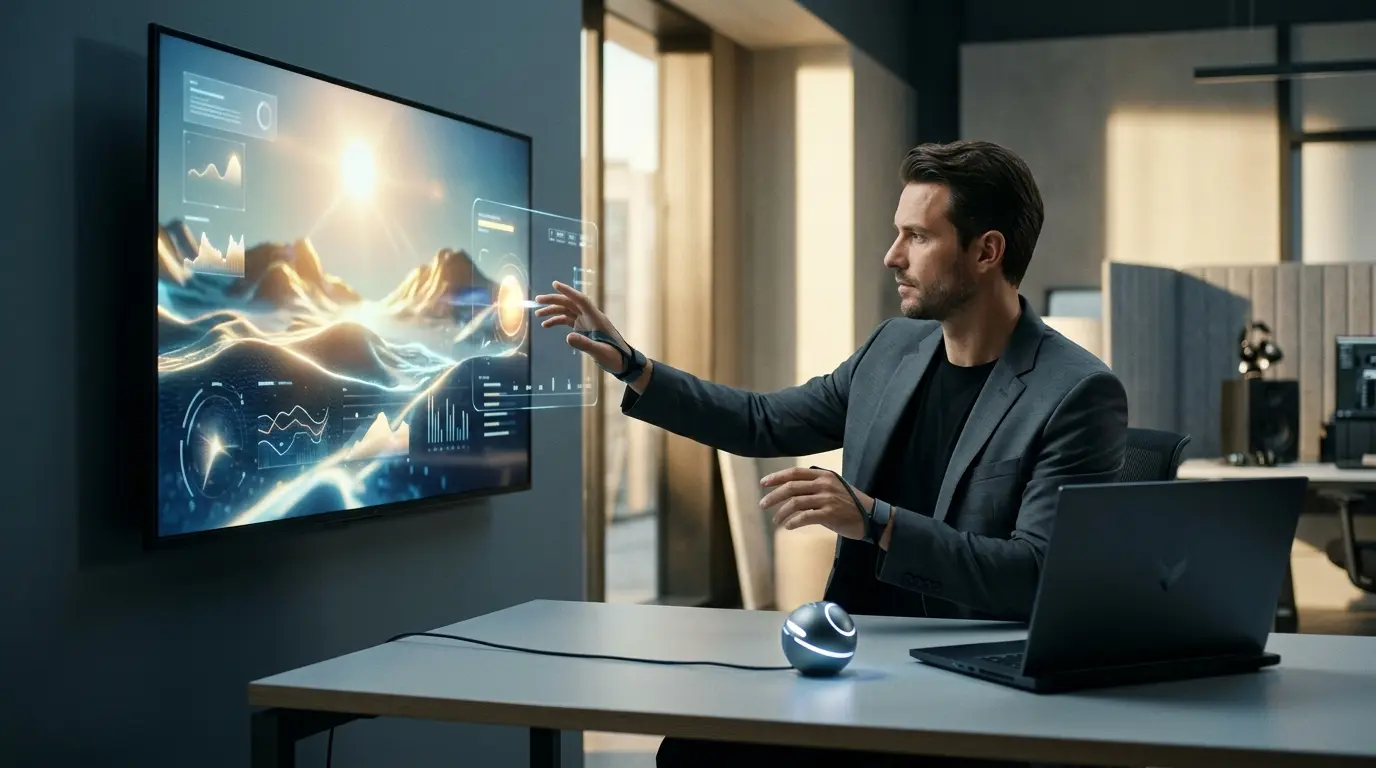
Runway introduced Solaris to transform video interaction. This platform allows creators to manipulate AI-generated content through a new interface. Users no longer watch passive clips but engage with active elements directly.
This release signals a move toward media users control instead of watching. Professionals gain the ability to change visual assets in real-time. This shift creates a dynamic environment for digital storytelling.
Direct Control Over Generative Visuals
Solaris provides a way to touch and move parts of a video stream. Creative teams gain precise control over motion and objects within their work. This technology bridges the gap between static generation and real-time editing.
Users manipulate scenes through intuitive movements. This level of participation was impossible with previous models. The official documentation explains how this system processes spatial data to keep visuals consistent.
- Real-time manipulation of video assets.
- Low latency feedback for creative decisions.
- Integration with existing generative frameworks.
- High-fidelity spatial object tracking.
The platform uses advanced generative models as a foundation. These models respond to physical inputs rather than text alone. This evolution moves past the era of typing long descriptions for every small change.
Reimagining Digital Media Workflows
Marketing agencies use this tech to create custom advertisements. Each ad reacts to how a customer moves a cursor. Personalization becomes a core part of the visual experience.
Traditional studios often struggle with slow feedback loops. Solaris solves this problem through high-speed processing. The platform handles complex visual data without the usual lag.
| Feature | User Impact |
| Active Manipulation | Move video objects in real-time |
| Low Latency | Instant visual response to inputs |
| Spatial Intelligence | Accurate 3D object placement |
The software creates a bridge between raw AI power and human intent. This connection helps people express specific ideas with less effort. Digital media becomes a two-way conversation between the user and the machine.
The system works by predicting how motion affects different objects. When a user drags an item, the AI adjusts the background and lighting to match. This consistency ensures the video looks natural even after heavy manipulation.
Developing these interfaces requires high computing power. Runway optimized the software to run smoothly on standard hardware. This accessibility helps smaller teams compete with large production houses.

byDavid Porter
Popular news

Latest comments
Loading