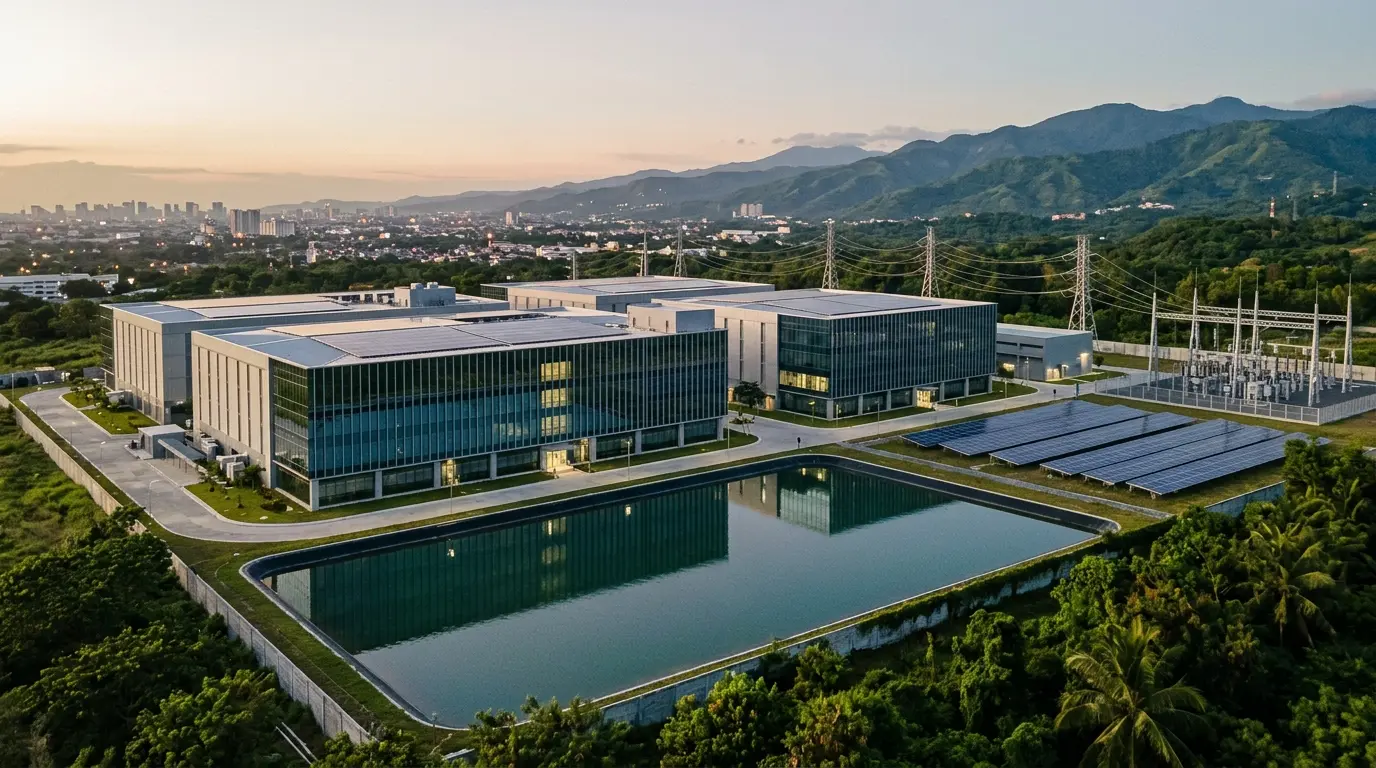
Artificial intelligence is transforming the Philippine economy at a speed requiring urgent utility upgrades. New data centers appearing across the country demand energy and water at unprecedented levels. These facilities operate constantly, necessitating a complete re-evaluation of current national development strategies.
Rising Utility Demands for High Tech Facilities
Data centers serve as the backbone for AI processing, but their operational needs extend far beyond simple hardware. These facilities need immense amounts of electricity to keep servers running around the clock. Without a stable power supply, these digital hubs fail to function properly.
The scale of these projects puts significant pressure on the national grid. Experts highlight a need for specialized power zones which support high-density computing. Current infrastructure was built for residential and light commercial use, making the transition to heavy tech consumption a priority for planners.
According to recent analysis, Philippine energy and water plans face a major transformation to accommodate these tech giants. This shift involves upgrading substations and creating more resilient transmission lines. Large-scale investments are necessary to prevent energy shortages in surrounding communities.
- Massive electricity loads are required to power advanced GPU clusters.
- Immense water volumes are needed for liquid and air cooling systems.
- Strategic locations must provide access to both high-voltage grids and reliable water sources.
- Developers are prioritizing areas with existing fiber optic connectivity.
Strategy Adjustments for a Digital Future
Water usage for cooling systems represents another major hurdle for the region. Traditional reservoirs often struggle to provide for both citizens and massive industrial cooling systems. This conflict over resources leads to a search for more sustainable cooling solutions.
Government officials are looking toward recycled water and dedicated desalination plants to solve this challenge. By separating industrial water needs from residential supplies, the country protects local residents. This strategy ensures the tech boom does not come at the expense of public health.
The economic benefits of attracting AI firms are significant for the Philippines. These facilities bring high-paying jobs and stimulate growth in the telecommunications sector. However, the long-term success of this movement depends on how well the nation manages its natural resources.
| Resource Type | AI Center Demand | Infrastructure Response |
| Electricity | High constant load | Dedicated grid expansion |
| Water | Massive cooling needs | Specialized supply lines |
| Space | Large industrial footprints | Economic zone development |
Moving forward, the integration of renewable energy sources will become vital. Solar and wind farms offer a way to power data centers without increasing carbon emissions. Tech companies often prefer green energy to meet global corporate sustainability goals.
Policy makers are drafting new guidelines which address these specific needs. These rules focus on efficiency standards for data center construction and operation. Better efficiency helps lower the total strain on the Philippine environment and economy.

byDavid Porter
Popular news

OpenAI Launches GPT 6.1 Terra for Faster AI Agents at Half the Price

AI Stocks Surge After Anthropic Market News

Epic CEO Condemns Steam AI Disclosure Rules as Political Statements

Microsoft Strengthens European Digital Sovereignty With New Cloud Controls

Podcast: SpaceX's $40 Billion AI Chip Deal, Explained

Edge AI Chips Market Set to Surpass 15 Billion Dollars by 2030
Latest comments
Loading