Hantavirus Explained by ChatGPT: What Is It and How Dangerous Is It?
NewsThursday, 07 May 2026 at 20:00
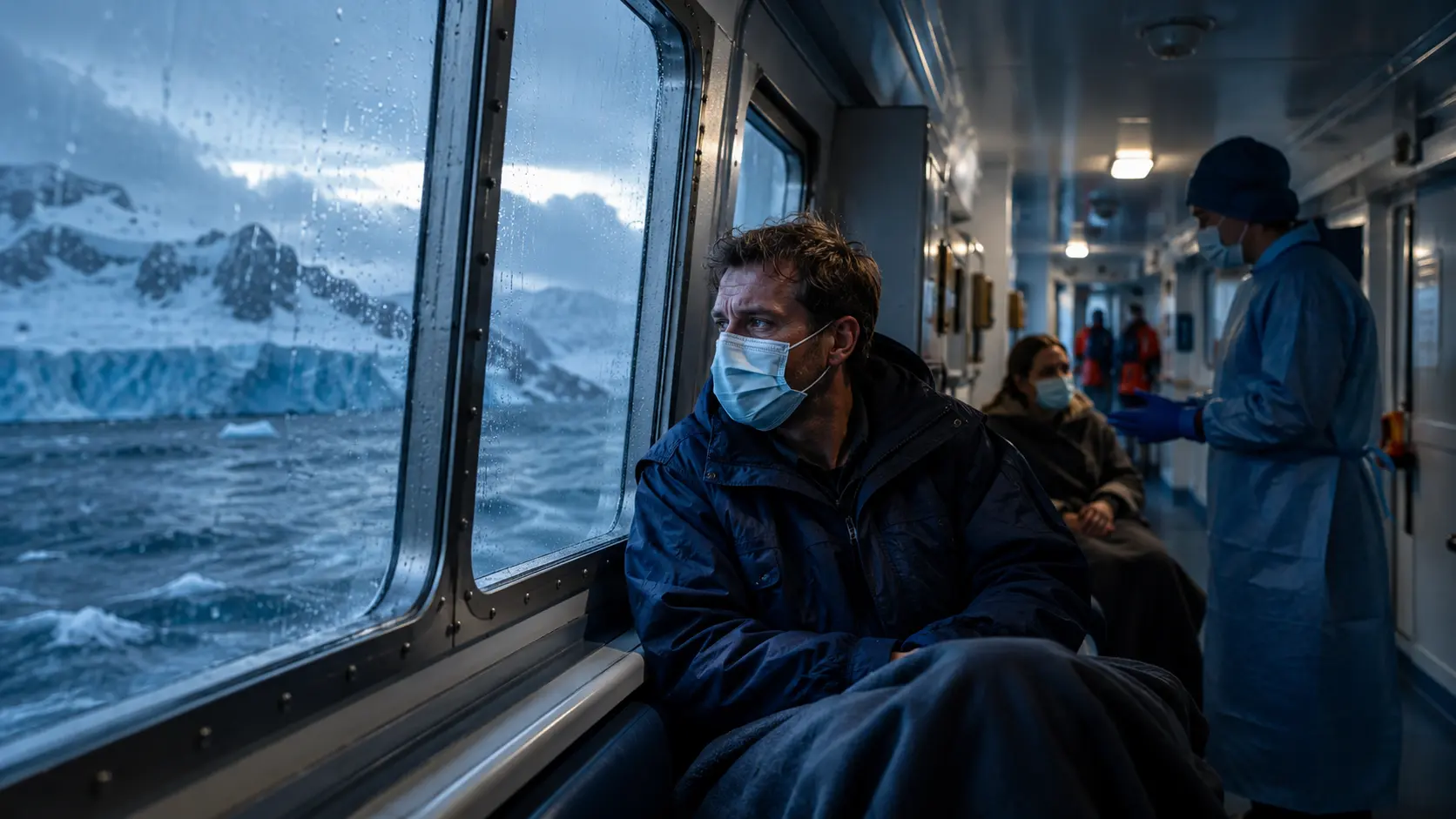
The hantavirus is back in the global spotlight after an outbreak on the Dutch expedition ship MV Hondius. At least three people have died, and health agencies are investigating multiple suspected cases across Europe, South Africa, and South America. The World Health Organization (WHO) says the culprit is likely the Andes variant of hantavirus—a rare strain that, in exceptional cases, can spread from person to person.
Meanwhile, Dutch research suggests hundreds of thousands of people in the Netherlands have had a hantavirus infection without realizing it. That raises new questions: how dangerous is the virus, why is it suddenly everywhere in the news, and should people in the Netherlands be worried?
ChatGPT breaks it down.
What is hantavirus?
Hantavirus isn’t a single virus but a group of viruses mainly carried by rodents such as rats, voles, and field mice. Humans typically get infected through contact with the urine, droppings, or saliva of infected animals.
Infection often happens by inhaling dust particles containing viral traces—for example, while cleaning a shed, basement, caravan, or storage space where mice have been active.
Part of the Hantaviridae family, these viruses are found worldwide. There are dozens of variants—some relatively mild, others far more dangerous.
Which hantavirus types are out there?
Europe—and the Netherlands—mainly sees milder variants:
- Puumala virus
- Seoul virus
- Tula virus
These typically cause flu‑like symptoms and sometimes temporary kidney issues.
More aggressive variants circulate in North and South America, including:
- Andes virus
- Sin Nombre virus
These can trigger severe lung infections known as Hantavirus Pulmonary Syndrome (HPS). For some American variants, the fatality rate ranges from 35 to 50 percent.
Why is it big news now?
Global attention spiked after an outbreak on the MV Hondius, a Dutch expedition cruise ship operated by Oceanwide Expeditions.
The ship departed from Ushuaia, Argentina, in early April for an expedition to Antarctica and the Atlantic. During the voyage, several passengers fell seriously ill. At least three deaths have been reported, and authorities are probing at least eight confirmed or suspected cases.
The WHO suspects the first infection may have occurred before departure during excursions in southern Argentina, a region where hantavirus is more common.
What do we know about the recent patients?
International media and health agencies have released more details about those affected.
Among the victims are:
- A 70-year-old Dutch man who died on board on April 11
- His 69-year-old Dutch partner, who later died in South Africa
- A German passenger who died on May 2 from severe lung complications
Several others are under observation or in intensive care in Johannesburg, Zurich, and the Netherlands.
According to Reuters and the WHO, multiple countries have launched contact tracing, as passengers returned to at least twelve countries after disembarking. KLM staff who had contact with infected travelers are also being monitored.
Why is this outbreak so notable?
The alarm stems from the suspected Andes virus—currently the only hantavirus variant known to allow limited person-to-person transmission.
Experts stress this remains rare and typically requires very close contact, such as within households or during prolonged patient care.
A cruise ship, however, draws extra scrutiny: people live in close quarters for extended periods, often in enclosed spaces.
Several outlets report the ship was temporarily denied entry in Cape Verde, and its arrival sparked concern in Tenerife.
How risky is hantavirus in the Netherlands?
The risk in the Netherlands is far lower than in South America.
Milder variants are the norm here. Recent Dutch studies show about 1.7 percent of the population has antibodies against hantavirus—roughly 300,000 people likely had an infection at some point, often without knowing.
Doctors frequently miss cases because symptoms mimic flu or other infections.
Typical symptoms include:
- Fever
- Headache
- Nausea
- Muscle aches
- Fatigue
In more serious cases, kidney problems can develop. Severe lung complications like those seen with the Andes variant are rarely reported in the Netherlands.
How do you get infected?
Most infections happen through contact with infected rodents or their droppings.
Higher-risk situations include:
- Cleaning dusty barns or sheds
- Working in natural areas
- Contact with rats or mice
- Poorly ventilated storage spaces
- Camping or staying in remote areas
According to the RIVM, farmers, forestry workers, rat-control professionals, and people who work closely with animals face a slightly higher risk.
Can you prevent hantavirus?
Yes. Prevention is mainly about avoiding contact with contaminated dust and rodents.
Key tips:
- Ventilate closed spaces thoroughly first
- Wear gloves during cleaning
- Wet-clean surfaces
- Avoid dry vacuuming of droppings
- Store food in sealed containers
- Seal entry points that let mice in
Read also


Should people in the Netherlands be worried?
For most people in the Netherlands, the risk remains low. Hantavirus spreads far less easily than viruses like COVID-19 or influenza.
Still, the cruise outbreak highlights how international travel, climate change, and shifting ecosystems can influence the spread of rare infectious diseases.
Scientists do not expect hantavirus to trigger a new pandemic, but health authorities are closely monitoring the MV Hondius case because of the unusual Andes variant and the global dispersion of passengers.

Latest comments
Loading