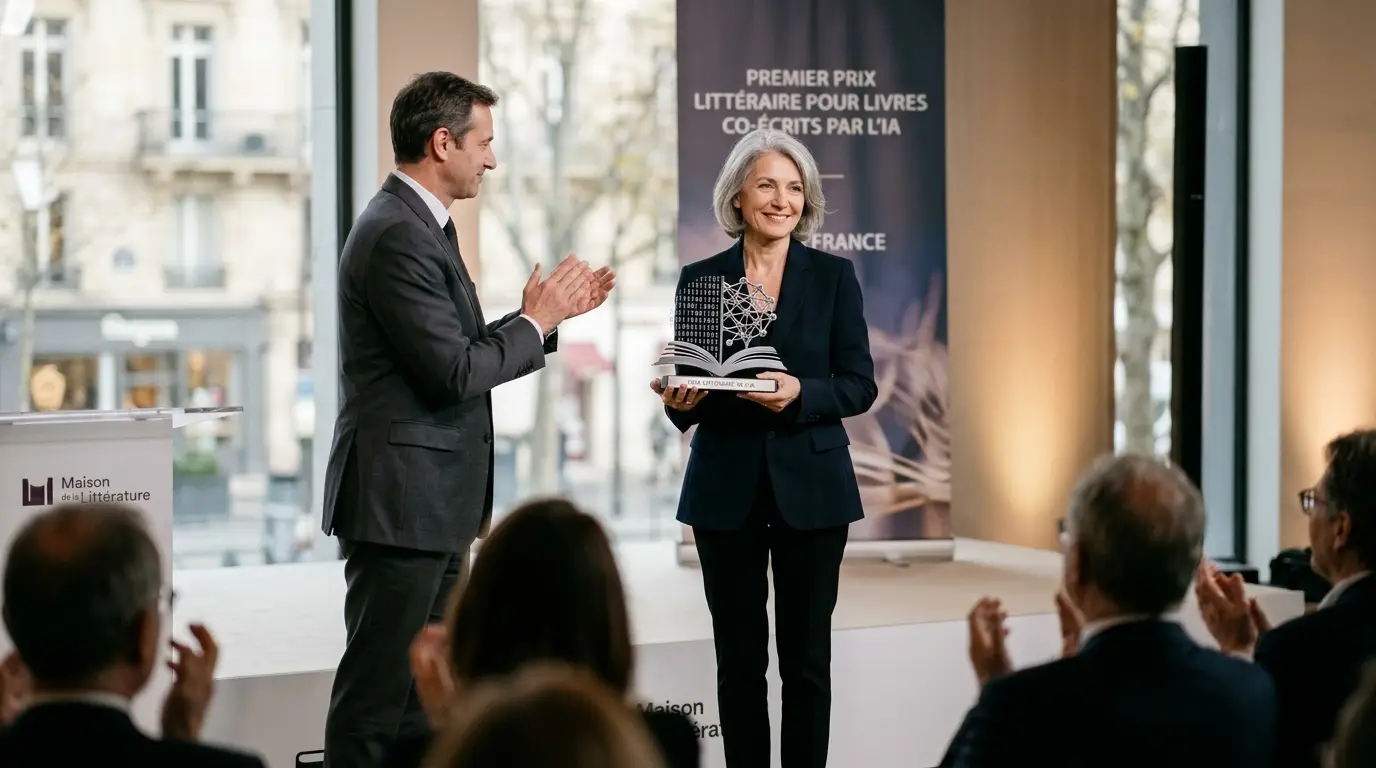
France has taken a bold step in the changing world of digital creativity by launching the Prix Pascal de Littérature IA. This new literary award specifically recognizes books co-written with artificial intelligence. The initiative aims to foster meaningful collaboration between human authors and AI tools rather than viewing technology as a replacement for human creativity. Three French technology entrepreneurs developed this competition to encourage innovative storytelling methods.
The competition is open to writers across the entire Francophone world. According to the official competition guidelines, participants must submit original manuscripts written in French. The prize is named after Blaise Pascal, the renowned French mathematician and philosopher who made foundational contributions to early computing. Organizers emphasize that the award evaluates the final literary work on its own merits, completely ignoring the professional background or previous publishing history of the author.
Submission Requirements and Rules
Authors must provide three distinct elements to enter the competition successfully. The primary requirement is an unpublished manuscript of approximately 300,000 characters, including spaces. Self-published works remain fully eligible, but traditionally published books are strictly excluded from consideration. Writers must also include a seed document of about 4,000 characters that clearly outlines the core pitch and thematic direction of the story.
Transparency remains a strict condition for every entry. Applicants must complete a detailed technical dossier declaring the specific large language models and prompts used during the writing process. Accepted tools include major platforms like ChatGPT, Claude, Gemini, and Mistral. This mandatory disclosure ensures the jury fully understands the exact nature of the human and machine collaboration behind each unique submission.
Key Competition Details
| Category | Specification |
| Eligibility | Open globally to all Francophone writers |
| Language | French language only |
| Manuscript Length | Approximately 300,000 characters with spaces |
| Seed Document | Roughly 4,000 characters outlining the core concept |
| Submission Format | Anonymous PDF with standard margins and 1.5 line spacing |
| Application Window | October 20, 2026 to late November 2026 |
| Winner Announcement | Early December 2026 |
Copyright and AI Regulations
The launch of this prize arrives amid broader legal discussions about artificial intelligence and intellectual property rights. Under current European Union and French case law, pure AI output without identifiable human creative input generally cannot be protected by copyright. However, the Prix Pascal framework sidesteps this legal gray area by mandating active human co-authorship and full transparency regarding the digital tools used.
This progressive approach aligns with ongoing legislative efforts in Europe to balance rapid innovation with fundamental creator rights. The European Union continues to refine its regulatory frameworks, ensuring that generative AI systems respect existing copyright laws while fostering healthy technological advancement.
The winning author will receive a monetary endowment and guaranteed publication of their manuscript. The jury will also make the winning seed document public to encourage broader public discussion about the future of co-written literature. Applications officially opened on October 20, 2026, and will close at the end of November. A shortlist of ten finalists will be selected before the final winner is revealed in December.

byDavid Porter
Popular news

AI Stocks Plunge: Meta Loses 9% as ASML Also Slides

Google gives entrepreneurs AI help with branding and bookkeeping
Claude Duet Keeps Working After You Close Your Laptop

Google Docs Can Create Documents with Your Voice—but Only in English for Now

Indeed: Employers Value References More as AI Enters the Hiring Process

Claude Hides Secret Messages in Images—and Can Read Them Back
Latest comments
Loading