BT Is Mining A Massive Billion Dollar Fortune From Abandoned Underground Wires Right Now
NewsTuesday, 01 September 2026 at 15:30
Meta Description:
Primary Keywords: BT copper recycling, AI copper demand, British Telecom network, copper market value
Tags: Telecom News, AI Infrastructure, Recycling, Commodities
Slug URL: /
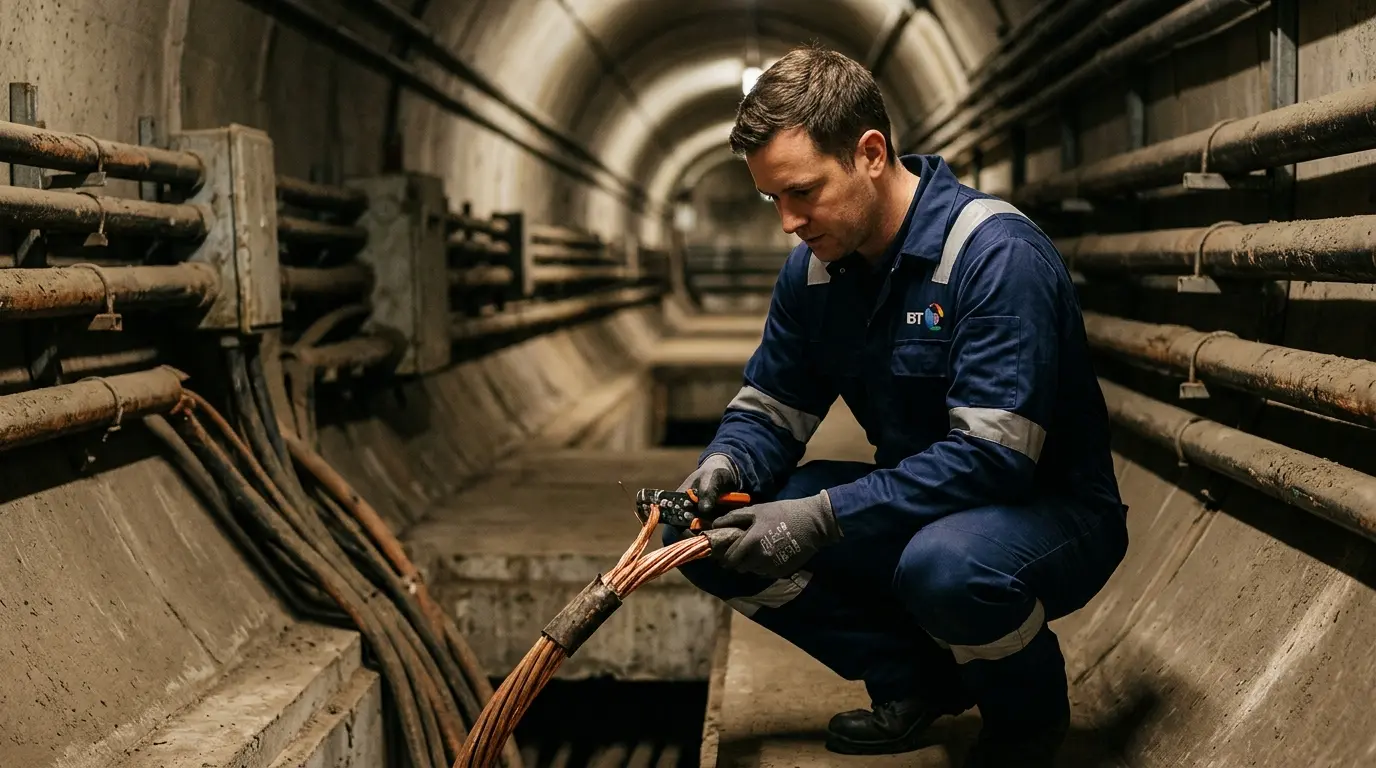
BT Group uncovered a massive revenue stream hidden beneath British streets. By extracting 200,000 tons of old copper wiring, the company expects to generate up to $2.7 billion in sales. This massive extraction happens as global demand for copper surges due to the massive growth of AI data centers and renewable energy infrastructure.
The telecom giant plans to finish pulling these legacy cables by the end of the decade. These materials sat idle for years as the nation transitioned to faster fiber optics. Now, the shift toward advanced computing infrastructure provides a perfect exit strategy for the aging assets.
Turning Legacy Infrastructure Into Pure Profit
BT aims to retrieve the copper from the aging Openreach network. This operation offers a dual benefit by clearing out dead weight while padding the balance sheet. Investors see the move as a strategic win during a period of high commodity prices.
The company confirmed these details through a report from industry experts analyzing the network cleanup. Stripping the old lines allows the provider to reuse existing ducts for new fiber installation. This efficiency reduces the cost of modernizing national connectivity.
- Targeted extraction of 200,000 tons of high-grade copper.
- Estimated market value reaching approximately $2.7 billion.
- Transition to full-fiber networks enables total recovery of legacy assets.
- Rising global commodity demand helps offset infrastructure upgrade costs.
The extraction process involves pulling heavy cables from concrete ducts spanning thousands of miles. Teams work across the United Kingdom to recover the metal while upgrading the infrastructure for the next generation of users. This massive logistics effort proves both complex and rewarding for shareholders.
Copper prices remain high as industries move away from fossil fuels. Since electricity must travel through conductive metals, copper becomes a vital resource for the future. BT stands to benefit from years of historical investment in copper wire.
Fueling the Artificial Intelligence Growth Engine
Artificial intelligence requires massive amounts of electricity and specialized hardware. Data centers consume vast quantities of copper for power distribution and cooling systems. This surge in demand creates a lucrative market for recycled high-grade metal.
Modern data centers require high-density power connections to run the latest processors used for large language models. Copper serves as the backbone for these electrical connections because of the superior conductivity the metal provides. Without a steady supply of recycled or mined copper, the current pace of digital expansion slows down significantly.
Electric vehicles and renewable energy projects also compete for these limited supplies. BT holds a unique position to profit from these global shifts. Selling these materials directly funds the expansion of modern digital connectivity across the country.
Recycling these materials also provides a sustainable alternative to new mining operations. Removing the old metal prevents waste while supporting the hardware needs of the next technological era. This circular economy model benefits both the environment and corporate profits.
| Metric | Project Details |
| Total Copper Weight | 200,000 Tons |
| Estimated Revenue | $2.7 Billion (approx.) |
| Project Deadline | 2030s |
| Target Sector | AI Data Centers & EVs |
The sheer scale of the project highlights the changing value of industrial resources. Metals once buried and forgotten now represent a massive financial windfall. British Telecom effectively turned a maintenance headache into a multi-billion dollar asset.
By the time the project concludes, the company will have cleaned up thousands of miles of subterranean paths. This clears the way for a more efficient, high-speed future. The financial rewards from the old network will likely define the success of the new one.

byDavid Porter
Latest comments
Loading