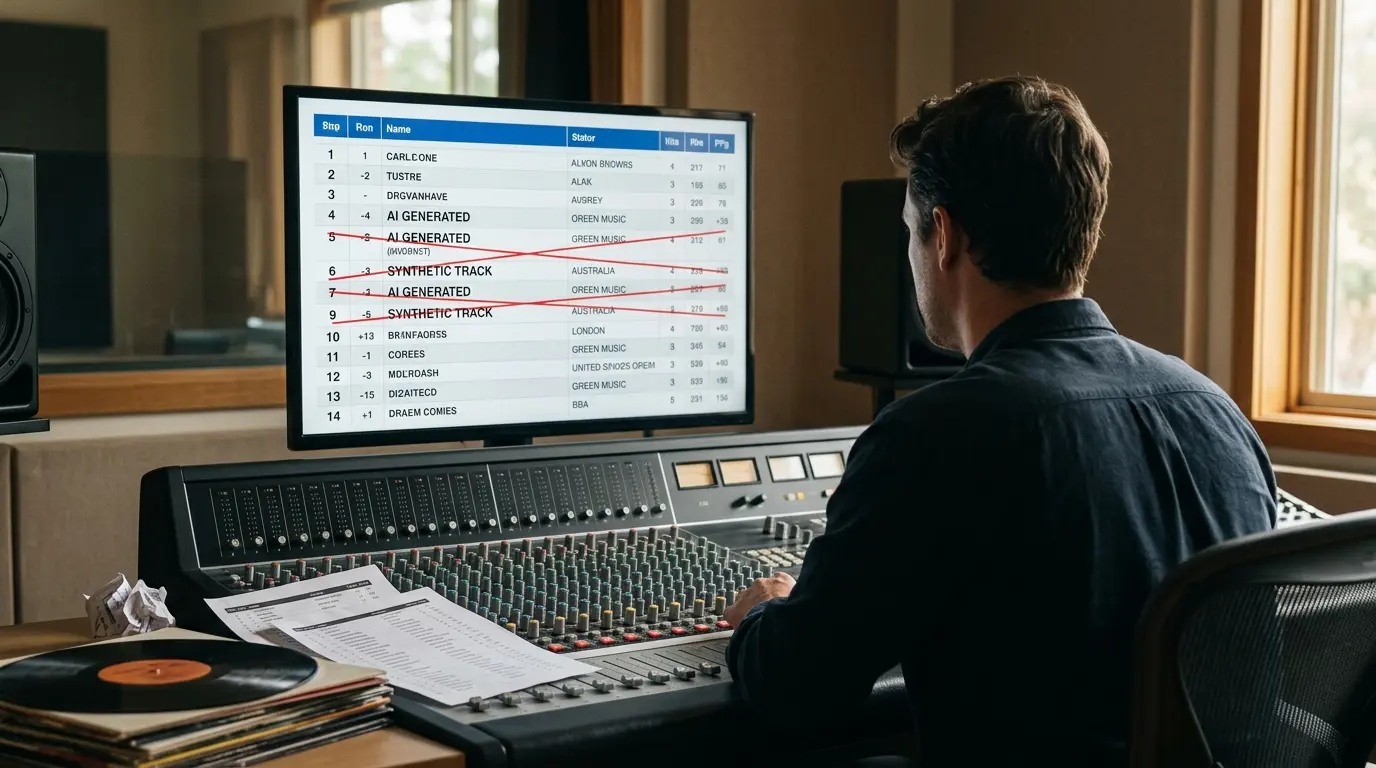
ARIA blocked fully artificial intelligence-generated tracks from entering official music rankings. This shift follows a viral song climbing to the number two spot for four months. Industry leaders believe human artists deserve protection from algorithmic competition to maintain creative integrity.
Music charts reflect the popularity of human performance and songwriting. Allowing software to compete with people creates an uneven playing field. New rules specify songs must feature primary human contribution to qualify.
Key takeaways from the ARIA decision include:
- Fully AI-made songs now face ineligibility for chart placement.
- Humans must lead the creative process for tracks to count.
- New verification steps monitor suspicious streaming surges.
- This protection secures financial interests of living musicians.
Defending Human Talent Against Digital Clones
A specific AI track caused massive disruption by holding a high rank for sixteen consecutive weeks. This event proved software-driven audio easily tricks streaming algorithms into high rotation. Reports on the chart changes show the industry felt forced to act before digital clones took over the list.
Streaming platforms struggle to differentiate between genuine fans and bot farms. ARIA officials want to ensure rankings represent what people listen to, not what machines generate. This policy sets a precedent for other global music organizations facing similar tech pressures.
Recording artists spend years perfecting skills. Machines simply process data to mimic those efforts. ARIA recognizes this fundamental difference between human soul and binary code.
| Key Fact | Industry Impact |
| Primary Rule | No 100% AI tracks allowed |
| Reason | AI song hit No. 2 for 16 weeks |
| Authority | ARIA Australian Recording Association |
| Focus | Human creative value |
The Future of Human Authenticity
Charts serve as historical records of cultural movements. If algorithms dominate these lists, the historical record loses human connection. Music professionals argue art requires soul and lived experience which machines lack.
Strict definitions now separate hybrid projects from purely synthetic ones. While artists use technology for mixing, the core performance remains human. These boundaries help fans know they support real people.
Verification requires labels and artists to provide proof of human involvement. This documentation includes recording session data and songwriting credits. Without this evidence, suspicious tracks face immediate removal from consideration.
Fans often feel deceived when they learn a favorite singer is a computer program. These new standards restore trust between the audience and the industry. Australia leads the way in defining what constitutes a professional music hit.
Legal challenges regarding copyright remain a major hurdle for AI companies. Synthetic audio often pulls from massive databases of protected works. This chart ban discourages the commercial exploitation of unlicensed AI models.
Global music markets watch these developments closely. If Australia succeeds, other nations will likely adopt similar bans. Protecting human creativity remains the top priority for the music business worldwide.

byDavid Porter
Latest comments
Loading